Getting to grips with German grammar is not easy - which is why we run this series offering tips and tricks for German learners. This week, we’re looking at one of the first things many English speakers notice when reading German: all those capital letters.
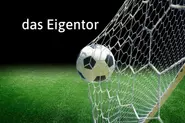
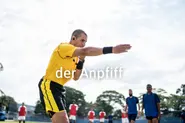
Football has plenty of words that also work outside the stadium. Das Eigentor is one of the most useful, especially if you follow news, politics or public debate in German.
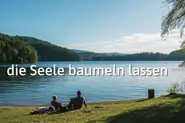
After work, on a sunny weekend or during a few quiet hours by a lake, German has a lovely expression for properly switching off: die Seele baumeln lassen.
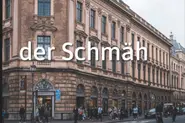
Some Austrian words are hard to translate because they describe not only a thing, but a whole style of speaking and behaving. Der Schmäh is one of the most Austrian of them.
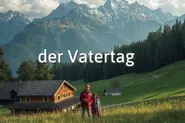
With Father’s Day coming up in Austria, you may start seeing gift ideas, restaurant offers and family plans mentioning der Vatertag. It’s a simple word, but the way it’s marked in Austria can differ from what readers know elsewhere.
After a long week, a sunny afternoon or a particularly annoying appointment at das Amt, there are moments when a coffee, an ice cream or a quiet evening feels deserved. In German, you can say you’re going to sich etwas gönnen.
A public holiday can change the rhythm of an entire week in Austria. When there are fewer working days than usual, people often call it die kurze Woche.
As temperatures rise in Austria, it’s easy enough to ins Schwitzen kommen on a tram, a hiking trail or a sunny walk through town. But this expression is just as useful when the pressure is mental rather than physical.
As June begins in Austria, many people start thinking more about lakes, outdoor pools and weekend swims. The word you’ll often see at this time of year is die Badesaison.
Getting to grips with German grammar is not easy - which is why we run this series offering tips and tricks for German learners. This week, we’re looking at one of the first things that tends to break people’s brains: der, die and das.
As the weather warms up in Austria, many people start planning their first proper swim of the season. One word you’ll see and hear a lot is der Badesee.
After a long weekend, a holiday or even a few unusually sunny days, returning to normal life can feel harder than expected. In German, you can say you’re trying to wieder in den Alltag zurückfinden.
After a public holiday in Austria, you’ll often hear people comparing who had to go straight back to work and who managed to stretch the break a little longer. A useful phrase for this is sich freinehmen.
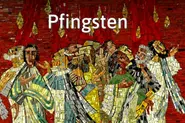
Late spring brings one of Austria’s most welcome breaks: Pfingsten. For many people, the religious meaning is only part of it - the long weekend is also a time for family visits, short trips and the first proper taste of early summer.
German uses man far more often than English uses “one”. It’s a small word, but it plays a big role in everyday speech — especially when people want to sound neutral, polite, or general.
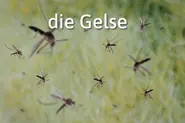
As soon as Austria’s evenings get warmer, another familiar part of summer starts to return: the high-pitched sound of mosquitoes near lakes, rivers, gardens and bedrooms. In Austria, the word you’ll often hear for mosquito is die Gelse.
With the football World Cup coming up, plenty of people in world will soon be watching, hoping, judging and nervously waiting for the results. A good German verb for that emotional state is mitfiebern.
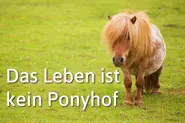
Some German expressions are blunt enough that you understand the mood before you understand every word. Das Leben ist kein Ponyhof is one of them: a dry way to say that life isn’t always easy, comfortable or fair.
When the weather improves in Austria, cities can empty out surprisingly quickly at the weekend. Many people head for a lake, forest, vineyard or hiking trail - in other words, they fahren ins Grüne.
German has more than one special word for the practice of taking a day off to make the most out of public holidays that fall close to a weekend. But which word should you use? That depends a bit on where you are.
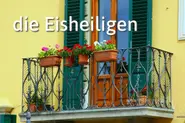
Even when Austria has already had a few warm spring days, many gardeners will warn you not to get too confident before mid-May. That’s where die Eisheiligen come in.