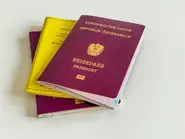
Austria is known for having some of the strictest citizenship rules around. People generally have to give up their previous citizenship when naturalising as Austrian, and Austrians mostly lose their citizenship if naturalising somewhere else. But there are exceptions.
Many Austrian universities offer degree programmes in English across a wide array of disciplines, allowing more students to take advantage of the perks of studying here.
Getting - and sometimes even keeping - Austrian citizenship is not always so easy to figure out. Here are five interesting facts you might not yet know about becoming Austrian.
In standard cases, foreigners have to be resident in Austria for ten years before they’re eligible for citizenship – one of the longest waits around. But some people could qualify sooner.
Moving to Austria from the UK is more complicated than it used to be – and comes with a lot more paperwork. But it’s doable if you have your documents in order. The Local chatted to Ladi Sonaike – who recently moved from London to Tyrol – about his tips.
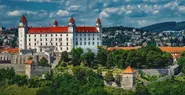
With only about 80 kilometres between them, Vienna and Bratislava are two of the closest capital cities in the world, with the Slovak capital ideal for a quick cross-border weekend or day trip.
If you have a residence permit for Austria to work, there’s a good chance you’ll have to apply for another type of visa if you want to stay here to retire.
Plenty of foreigners in Austria – particularly those who retired to Austria – contributed to their pension before arriving here. What happens to those contributions? And what happens to contributions you made in Austria if you retire somewhere else?
If you’ve completed university or a recognised professional qualification in Austria, your path to staying in the country to work is a bit simpler than if you’re applying under the country’s points system for skilled workers.
With free – or cheap – tuition, excellent education and plenty of student life, studying in Austria is increasingly attractive for many young people. So how do you handle the paperwork?
While the yearly KlimaTicket allows travel via local and regional transport across Austria, it's not so widely known that it allows you to cross the border to visit several towns in surrounding countries.
If you live in Austria, you won’t be able to get VAT money back. But if you’re visiting from outside the EU – or one of your family members is – here’s what you need to keep in mind about getting that money back.
Leaving the country? Got a steady job offer you can’t say no to? Winding down your self-employment activities in Austria still requires taking a few bureaucratic steps.
Moving to Austria? Or have you lived here a while and just decided to get married abroad? You may need to advise the Austrian authorities that you’ve tied the knot – particularly if you’re married an Austrian national. Here’s how.
Austria’s recently reformed “Red-White-Red” card aims to make it easier for skilled non-EU workers to take up jobs here, by awarding points for qualifications and language skills. Almost all applicants though, require an existing job offer to get one—with one notable exception. Here’s how entrepreneurs can get one.
This visa will let you study German in Austria for up to six months, and it’s relatively unbureaucratic to apply for compared to some others. Here's what you need to know.
If you’re a non-EU foreigner married to an Austrian citizen, some of the bureaucracy that comes with living in Austria is just a little bit easier than it would be otherwise – on everything from residency to buying property.
The short answer is yes—as a foreigner in Austria—you need to both have ID and generally carry it with you. But the police are bound by certain rules as to when and in what circumstances they can ask you for it.
Few people are surprised about moving to Austria coming with its own bureaucracy. But there are also some things to keep in mind if you’re leaving the country to move abroad.