

Inside Austria is our weekly look at some of the news, talking points, and gossip in Austria that you might not have heard about. It’s published each Saturday, and members can receive it directly in their inbox by going to their newsletter preferences or adding their email to the sign-up box in this article.
Why the collapse of FPÖ-ÖVP talks is a relief for foreigners and workers in Austria
The breakdown of coalition talks between the far-right FPÖ and centre-right ÖVP is more than just a political deadlock - it’s a reminder of how difficult it is to bring an extremist party into government, even for the ÖVP, which shares much of FPÖ's voter base.
While an FPÖ-led coalition is always concerning for foreigners and minorities, many of its most radical proposals would have been tempered by a coalition partner like the ÖVP. Yet, despite weeks of negotiation, the two parties couldn't even agree on fundamental principles, let alone policy details.
More striking was the collapse of talks over foreign policy.
The ÖVP’s insistence on maintaining Austria’s role as a committed EU member, opposing Russian influence, and tackling extremism should have been an easy “yes.” Yet, for the FPÖ, these positions were major points of contention.
The fact that these disagreements ultimately led to the coalition’s failure is telling: the FPÖ is not just a right-wing party with populist tendencies - it is a party that struggles to align with Austria’s core democratic and geopolitical commitments.
But if the failure of this coalition is a relief, it’s not just because the FPÖ won’t be in government - it’s also because this particular combination of the FPÖ and ÖVP won’t be in charge.
The two parties had already agreed on budgetary plans that would have shifted the burden of economic reforms onto regular workers. Their proposed budget would have defunded Austria’s Chamber of Labour (AK), which provides employees with critical legal and financial support. It also included plans to eliminate Bildungskarenz (educational leave), cut several social benefits, and drastically reduce funding to public broadcaster ORF - an especially concerning move given Austria’s already fragile press freedom rankings.
While Austria does need budgetary changes, these proposals focused on reducing support for working people rather than asking high earners or corporations to contribute more.
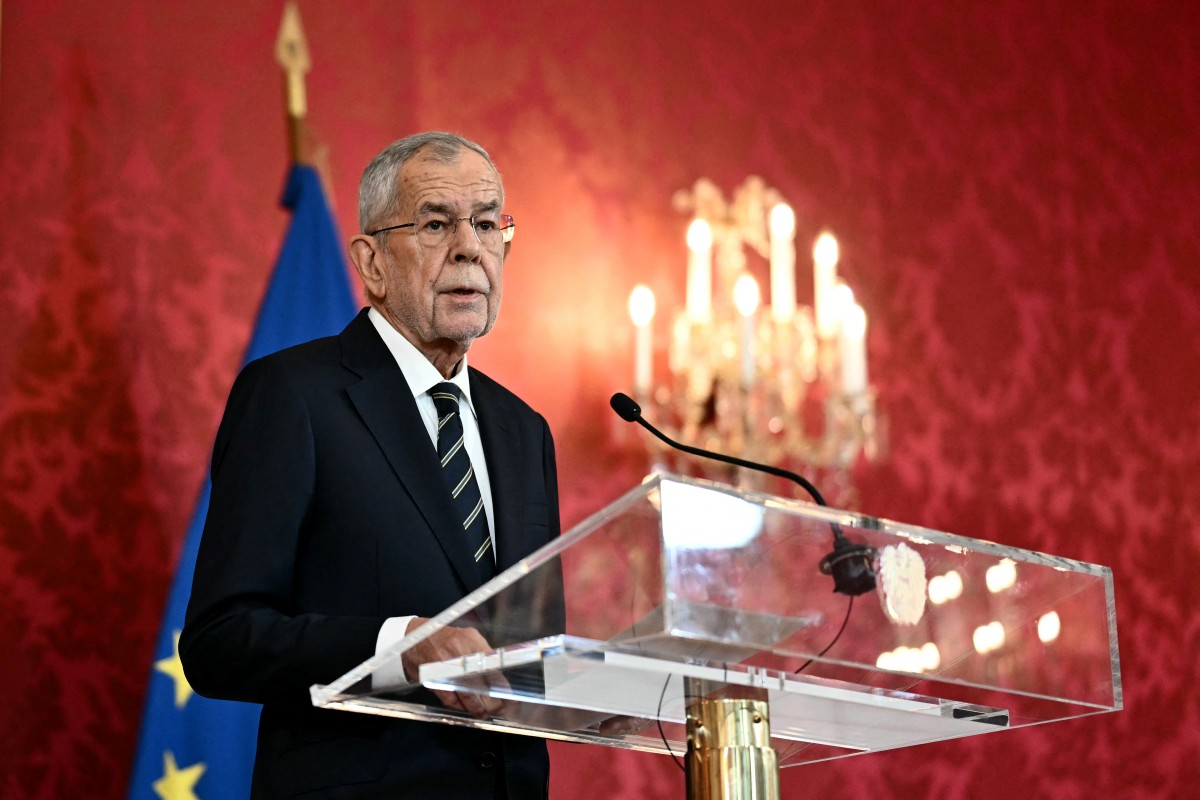
With the FPÖ-ÖVP coalition officially off the table, attention now shifts to what will happen next. Federal President Alexander Van der Bellen has called for swift action, clarifying that he is not interested in prolonged negotiations.
After meeting with the leaders of the Neos, Greens, ÖVP, and SPÖ, he has given the parties the weekend to hold talks. An announcement is expected as early as Monday. While details remain confidential, Van der Bellen and party leaders have agreed to a "close exchange."
The ÖVP says it is open to talks with any viable partner, the Greens and Neos are pushing for constructive cooperation, and the SPÖ has already nominated a negotiating team to move discussions forward.
With no clear path forward, Austria now faces multiple possibilities: a renewed ÖVP-SPÖ coalition, a broader multi-party agreement, or even the formation of an expert-led government. The FPÖ remains the only party openly advocating for new elections, but the next steps remain uncertain for now.
Could Austria turn to an Expertenregierung?
With coalition talks stalled, one option is an Expertenregierung - a government of experts made up of non-partisan specialists until new elections can be held.
Austria has done this before: after the Ibiza scandal in 2019, President Alexander Van der Bellen appointed a cabinet led by Brigitte Bierlein, which governed for seven months.
SPÖ leader Andreas Babler supports this idea, calling for a “government of personalities that stands by Parliament.” However, an Expertenregierung would lack a parliamentary majority, meaning every major decision would require broad support - making it a short-term fix rather than a stable solution.
Another option is a Minderheitsregierung, a minority government in which a party governs without a majority and negotiates support for each law. The ÖVP could attempt this with NEOS, relying on the SPÖ and Greens for case-by-case backing. But without a stable majority, it would remain fragile and vulnerable to collapse.
Van der Bellen has made it clear he prefers a “stable and reliable majority.” While temporary solutions are possible, Austria’s parties must now find a long-term solution.
What else?
Here are some of the most interesting stories we’ve been following this week:
- Where is the snow? Why Austria is experiencing its driest winter in decades
If it feels like there’s barely been any snow this winter, that’s because there hasn’t. I’ve noticed it myself - Vienna used to get its first snow as early as November, with some years even seeing a white Christmas. This year? Almost nothing. Across Austria, snowfall is at historic lows, ski resorts are struggling, and the impact is stretching beyond winter sports - agriculture and even energy production could take a hit. - No new budget: How Austria’s political crisis affects public spending
After a reader asked what happens when Austria has no approved budget, we looked into it - and while public services are still running, the situation isn’t ideal. Austria can’t make new investments or borrow as usual without a new government, and experts warn that liquidity issues could arise by mid-year. Meanwhile, the EU is watching closely, and a deficit procedure is still on the table. This story breaks down what’s at stake. - Beyond Apfelstrudel: the best Austrian bakery treats you need to try
Apfelstrudel might be one of Austria’s most famous desserts, but it’s just the beginning of what the country’s bakeries have to offer. This piece by Julia Hjelm Jakobsson dives into some of the lesser-known but equally delicious treats, from the creamy Kardinalschnitte to the jam-filled Buchteln and Austria’s take on doughnuts, the Krapfen (a must-have during Fasching!). - REVEALED: Austria's foreign population is increasing, but where do they all live?
Austria’s international community keeps growing, with foreign nationals now making up over 20 percent of the population. Vienna leads the way - almost 40 percent of its residents are foreign nationals - but provinces like Vorarlberg and Salzburg also have large international communities. This story breaks down where foreign residents choose to live and how Austria’s demographics shift.
Comments