

Buying a Christmas tree is a cherished tradition in Austria, where natural trees remain far more popular than artificial ones.
With over 2.8 million Christmas trees sold each year, 90 percent are sourced from domestic producers, ensuring high quality and short transport routes.
Whether you’re considering an organic tree, a new "Advent tree," or planning how to dispose of it after the holidays, here’s your complete guide.
How to choose a tree?
For an environmentally friendly option, experts suggest considering organic trees. These are grown without artificial fertilisers, promoting biodiversity and soil health.
"Domestic organic Christmas trees are better because fewer chemicals are used," biologist Melanie Frauendienst explained to ORF. According to the Austrian Chamber of Agriculture, Austrian-grown trees also travel an average of just 40 kilometres to markets, compared to over 1,000 kilometres for imports from Northern Europe, making them a more sustainable option.
READ ALSO: Where are Vienna's secret Christmas markets loved by the locals?
Natural trees remain the clear favourite for 90 percent of Austrian households, with Nordmann firs topping the list due to their vibrant colour and soft needles.
Though artificial trees are common in other countries, such as Germany, where 40 percent of households use them, they are less popular in Austria, where only 10 percent opt for them.
Where to buy your tree
Christmas trees are sold at various locations, including markets and farms. There are 248 official selling points in Vienna alone.
You can find a complete list of certified sellers, along with useful tips, at Weihnachtsbaum Austria.
Many farms offer unique options such as cutting your tree directly from the plantation, reserving it for later delivery, or selecting an "Advent tree" to enjoy throughout December before replacing it with a traditional Christmas tree on Christmas Eve.
The origin ribbon is another way to ensure quality. These colour-coded ribbons verify that the tree was produced in Austria under strict standards and allow buyers to trace the farm where it was grown.
"Choosing a Christmas tree from Austria also strengthens rural areas and protects the climate," emphasised Josef Moosbrugger, President of the Austrian Chamber of Agriculture.
Transporting your tree safely
Transporting your Christmas tree home doesn’t have to be stressful.
If you’re driving, keep the tree in its netting, place it on the roof with the top pointing backwards, and secure it tightly with wide straps, following ÖAMTC advice.
Protect your car’s paint with an underlay to prevent scratches from branches or needles. Inside the vehicle, ensure the tree doesn’t obstruct visibility or interfere with controls. Cargo bikes or trailers can be a convenient and sustainable alternative for shorter distances.
If you want to use public transport, you must check each company for specific rules.
READ ALSO: Austrian Christmas dinner: The traditional foods and drinks for the festive season
In Vienna, Wiener Linien allows passengers to bring their trees on public transport for free, provided they meet size and safety requirements - which mainly means they should not obstruct passage. Although the company doesn’t publicly have official guidelines, it has shared tips on social media.
For example, trees must be packed in netting, transported upright, and kept manageable in size. Drivers may refuse to board larger trees. To avoid complications, it is recommended that you travel outside peak hours.
The ‘Advent tree’ trend
Austrians traditionally decorate their Christmas tree on Christmas Eve, but this practice has been changing in recent years.
Many households now opt to decorate their tree earlier in December or even choose an additional "Advent tree." This smaller tree is often placed in gardens or conservatories to bring festive cheer throughout the month, explained Maximilian Engelhardt of ARGE NÖ Christbaum- und Schmuckreisigproduzent:innen.
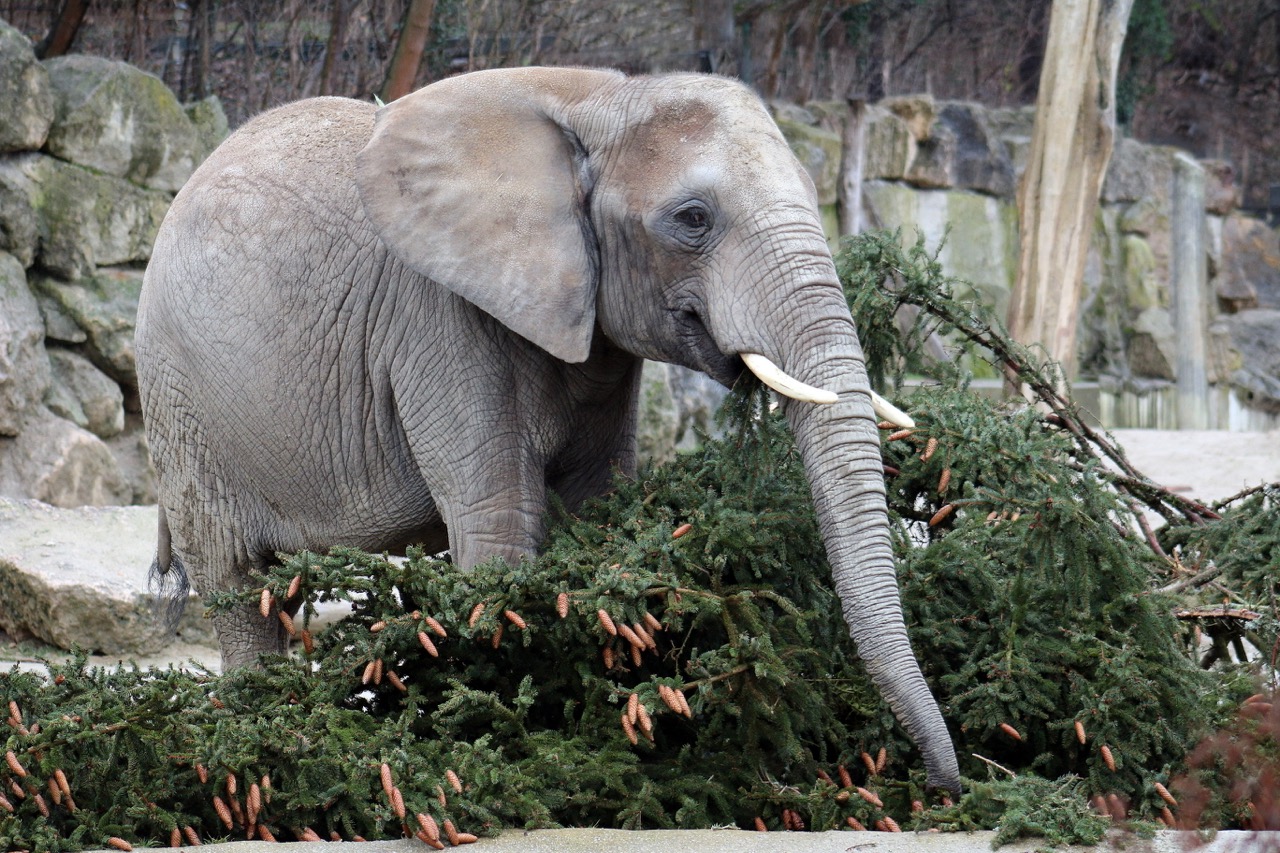
How to dispose of your tree
After the holiday season, disposing of your tree correctly is essential.
Many Austrian cities provide designated Christmas tree collection points. Vienna has 588 collection spots (Christbaumsammelstellen), operational from December 27th to January 18th.
Over 140,000 trees, weighing around 750 tonnes, are collected each year and used to generate climate-neutral electricity and district heating, sufficient for powering 1,300 households and heating 2,500 homes for a month.
Check local rules for smaller towns or villages by searching “Christbaumsammelstelle” or “Christbaumabholung” with your town name.
READ ALSO: Three beautiful off the beaten track Christmas destinations in Austria
Ensure all decorations are removed before disposal.
For those with gardens, tree branches can insulate perennial plants or be composted if cut into pieces no larger than 15 centimetres.
Burning the wood in a chimney is another option, but consult a professional to ensure your setup is suitable.
Useful vocabulary
- Christbaum – Christmas tree
- Tannenbaum – Fir tree (commonly used synonym for Christmas tree)
- Weihnachtsbaum – (yes, also) Christmas tree
- Adventbaum – Advent tree
- Christbaumsammelstelle – Christmas tree collection point
- Ab Hof Verkauf – Farm sale
- Banderole – Ribbon or band indicating origin
READ NEXT: Four unusual Austrian Christmas traditions
Comments