
- Austria could miss climate targets by far
Austria has set a goal of becoming climate-neutral by 2040, which is one of the most ambitious targets across the EU.
However, according to a forecast by the Federal Environment Agency, the country is also at risk of missing this target. The report states that with the current measures in place, Austria would not be able to achieve the EU-wide goal of climate neutrality by 2050.
The country's CO2 emissions are projected to be around 55 million metric tons by mid-century, which is well above zero and only 30 percent below the 1990 level.
Austria's emissions have fluctuated over the years and have now remained at the 1990 level.
While efforts in areas such as power generation and waste treatment have been made, they have been offset by the rise in the transport sector. For example, Austria's transport emissions have increased by 57 percent since 1990 due to increased diesel cars and freight traffic.
According to the study, the government will need to implement more effective measures to achieve its climate goals.
READ ALSO: Is Austria doing enough to protect children from the climate crisis?
- The seven common mistakes to avoid when applying for Austrian citizenship
Applying for citizenship in Austria can be a tricky process, but it's doable. Here's a look at some common mistakes to avoid to make the application process as smooth as possible.
- Austria spends just under €340 million on refugee care
The federal government spent €339.8 million on the care of refugees in the previous year, according to information provided in response to a question from Free Party Member of Parliament Hannes Amesbauer.
The Ministry of the Interior highlighted that the costs had been significantly reduced compared to previous years.
The average cost per day per refugee was €22, based on 42,095 asylum seekers. The total spending was significantly lower than in previous years, with €353 million spent in 2019 and almost €466 million in 2018 when the Interior Ministry was administered by the current far-right FPÖ leader Herbert Kickl. However, more than 61,000 people were looked after at that time.
READ ALSO: Tents for asylum seekers stir debate in Austria
- All seven referendum petitions collected more than 100,000 signatures
All recent popular petitions in Austria gathered over 100,000 signatures during the registration week from April 17th to 24th and will be dealt with by the National Council.
The petition to keep daylight saving time gathered the most support, with 168,708 declarations of support and registrations. The referendum against GIS fees, which will be abolished by the end of 2023, came in second with 167,406 supporters.
The "Nehammer must go" and "Real Democracy" petitions received 106,440 and 131,619 declarations of support, respectively. The initiatives for a supply chain law and an "independent judiciary" gathered 120,397 and 143,217 signatures, respectively.
The next step is to take the petitions to the House of Representatives, where some of the issues will be familiar to the members, as similar referendums were already open for signature last fall.
The "Nehammer must go" petition is unlikely to succeed as the ÖVP-Green government currently holds the majority.
READ ALSO: Petition week in Austria
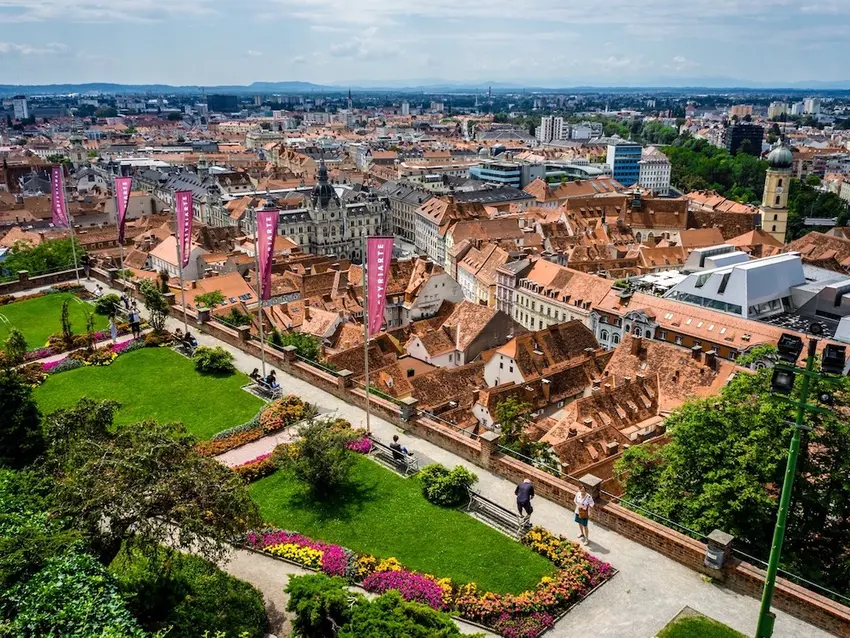
- Parking in Graz will soon be more expensive
According to a report by ORF, drivers who park their cars in Graz will have to pay higher parking fees in the future.
This applies to the approximately 10,600 parking spaces in the green zone and the 14,500 parking spaces in the blue area, and it is the first time fees have been raised since 2018. Graz earns about €18 million annually from managing parking spaces in the zones, which is expected to increase.
The actual increase is still under discussion, but a working paper from the city government's working group proposes raising the hourly rate in the green zones from €1.60 to €2 and in the blue zones from the current two euros to either €2.40 or €2.60. The proposal was discussed during a coalition committee meeting on Monday afternoon.
READ ALSO: Everything you need to know about Austria’s driving exam
- Five things you should know about the Salzburg elections
The Salzburg regional parliament has 36 seats. After the elections, ÖVP lost three seats and will have 12 representatives.
Five years ago, incumbent governor Wilfried Haslauer achieved his best election results to date with the centre-right ÖVP and had many options for forming a coalition. However, after Sunday’s election, Haslauer now has only three options that are at least mathematically viable.
These options include Black-Blue, which is a coalition with the far-right; ÖVP-SPÖ, which is a coalition with the centre-left; or a three-party coalition of ÖVP, SPÖ, and Greens (who kept their previous three seats).
The ÖVP will get 12 sits (-3), the FPÖ will have ten (+3), the SPÖ seven (-1), the communist KPÖ four (+4) and the Green three (0).
Haslauer has already announced that he would hold talks with all parties to discuss the potential options and form a coalition.
READ MORE: Five things you should know about the Salzburg elections
If you have any questions about life in Austria, ideas for articles or news tips for The Local, please get in touch with us at news@thelocal.at.
Comments