Austria’s government has announced an immediate halt to family reunification for refugees, citing concerns about overstretched public services. Here's what the decision means and how it might affect those involved.
The EU on Tuesday opened the way for member states to set up migrant return centres outside the bloc in a highly contentious move following pressure from governments to facilitate deportation.
With many countries in Europe imposing new or tougher language requirements for residency or citizenship, experts say it's no surprise given the rise of nationalist parties and the importance of language to national identity.
Austria’s coalition agreement is set between ÖVP, SPÖ and NEOS leaders, but political tensions and party votes will decide if the government takes office next week.
Lower Austria is tightening integration policies with fines, cultural requirements in kindergartens, and a burqa ban, sparking criticism from opposition parties
With nearly one in five adults excluded from voting, Austria faces growing calls to reform its citizenship laws to make it easier for foreign residents to become naturalised. Could a new government deliver change?
The number of people granted Austrian citizenship rose by 9.8 percent in 2024, with 21,891 naturalisations recorded. Nearly 40 percent of new citizens live abroad.
The Villach knife attack has sparked a row over the need for tighter security measures in Austria, put upcoming events in the spotlight and sounded the alarm about the dangers of online radicalisation.
Austria's foreign population is growing, with more than 20 percent of the country's residents now being foreign nationals. Here’s where they choose to settled down in the country.
Austria’s far-right and centre-right are negotiating major cuts to social welfare, including reductions in unemployment benefits, family allowances, and social assistance. Here's what we know so far.
Citizenship in Austria could become harder to obtain under a far-right-led FPÖ government. The party is pushing for new restrictions, but how far could the changes go?
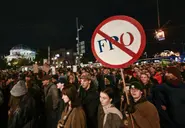
Austria’s immigrant community is dealing with the implications of an far-right FPÖ-led government. While some fear discrimination and policy changes, others see the party’s ascent as a push for reform.
Asylum applications in Austria plummeted in 2024, with fewer than 25,000 submissions—a stark contrast to over 110,000 in 2022. The government highlighted increased deportations and voluntary returns as part of its efforts to enforce stricter asylum policies.
Proposals mentioned during Austria's coalition talks suggest there could be changes to citizenship requirements, with a potential shift in focus for applicants and a softer stance on minor penalties.
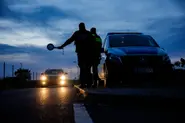
Germany has announced plans to maintain checks at its borders until at least March 2025. Residents should continue to carry their passport or German-issued IDs when traveling to and from the country.
As negotiations for a coalition government continue, Austria’s political leaders are considering new rules for asylum and integration. The proposals focus on creating structured programs for newcomers whilst tying financial support and benefits to participation.
A man lost his Austrian citizenship at the final hurdle after refusing to sing the national anthem during his naturalisation ceremony, sparking a row about integration and legal requirements to become Austrian.
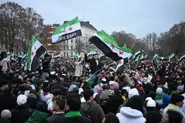
With Syria's President Bashar al-Assad toppled and unrest in Damascus, Austria has already paused Syrian asylum cases. How will this affect the 95,000 Syrians living in the country?
Austria's population is increasingly diverse, with over 22 percent of residents born outside the country, according to a recent study. In Vienna, this figure rises to nearly 40 percent.