
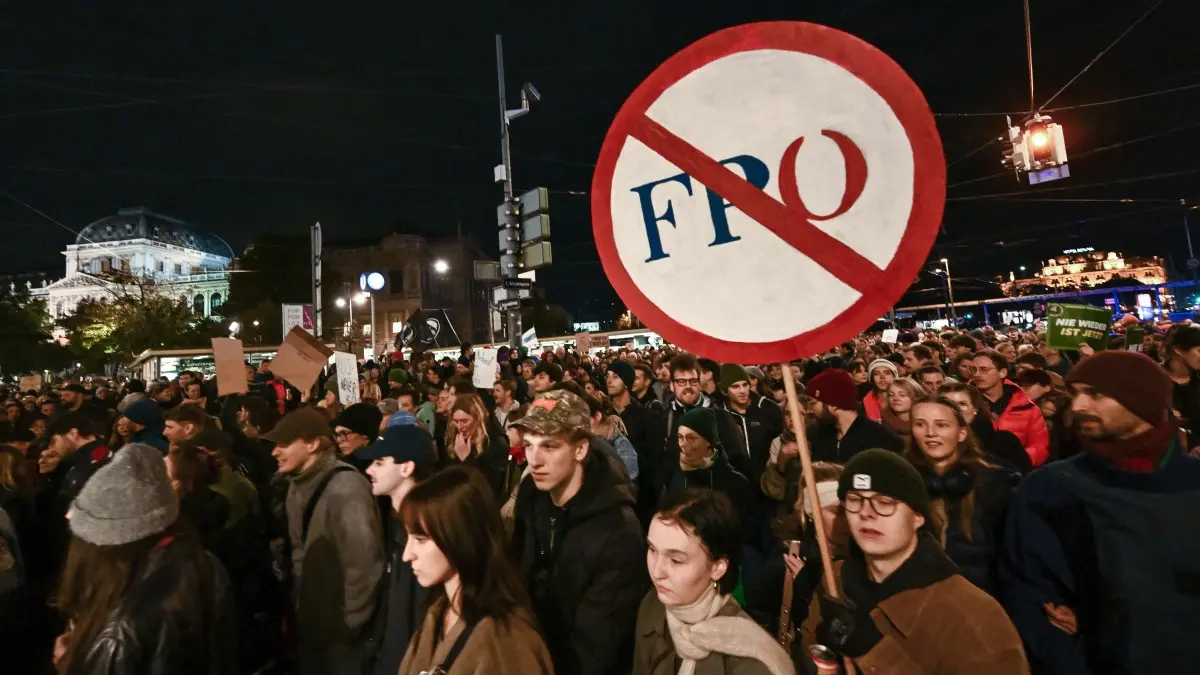
The FPÖ financial scandal in Graz has rocked Austrian politics for three years, and fresh allegations have now reignited public interest as Styria prepares for regional elections on Sunday.
The case involves up to €1.8 million in allegedly misused public funds, accusations of corruption, and embezzlement by high-ranking FPÖ officials.
Here's what you need to know.
Allegations and key figures
The scandal centres on suspicions that public funds meant for official purposes were instead used to finance personal luxuries such as ski trips, fine wines, carnival costumes, and theatre tickets.
Former FPÖ Deputy Mayor Mario Eustacchio and ex-party chairman chairman Armin Sippel are among the 18 individuals under investigation. Both deny the allegations, and the presumption of innocence applies.
The investigation began three years ago following a whistleblower’s tip and the subsequent confession of FPÖ finance officer Matthias Eder, who admitted to embezzling €700,000.
Eder initially claimed to have acted alone, but secretly recorded conversations later cast doubt on this narrative, suggesting the involvement of other senior party members. Eder was recorded at a Würstelstand (a traditional Austrian sausage stand) saying that “of course” he didn't act alone.
READ ALSO: Inside Austria: political scandals and strange Christmas traditions
Lavish spending and public outrage
The alleged misuses include €1,850 for a skiing holiday, thousands of euros spent on exclusive wines, and discretionary funds for private parties.
A secretary who worked closely with Eustacchio testified to investigators that "our office was practically a wine store" and described unchecked accounts used to transfer thousands of euros quarterly for personal use.
The liberal NEOS party has called for stricter rules on public funds.
“Municipal funds must be reclaimed,” said Alexis Pascuttini, a former FPÖ member and now leader of the Corruption-Free Municipal Council Club (KFG) party, which he founded after being expelled from the FPÖ as he was trying to investigate matters further. Pascuttini further criticised the apparent lack of transparency.
Impact on elections
The scandal has become a focal point in the Styrian state elections, where FPÖ leader Mario Kunasek is the main name looking to become governor. Kunasek is also under investigation for alleged false testimony and other offences but denies all accusations.
In two cases, his immunity has been waived to allow investigations to proceed, with the FPÖ supporting these measures to promote transparency.
Despite the gravity of the accusations, the investigations have been marked by delays.
A new prosecutor has recently ordered the questioning of 40 additional witnesses, but charges are unlikely before the elections.
What happens next?
The outcome of the investigations could have far-reaching consequences for the FPÖ and its leadership in Styria.
With voters heading to the polls this weekend, the party faces mounting pressure to address allegations of financial misconduct and restore public trust. Still, despite the scandal, polls suggest that the far-right party is set for significant gains in the upcoming election.
This reflects nationwide results as the FPÖ topped the polls in September's national elections with its anti-immigration, “Austria first” rhetoric and combative stance against coronavirus pandemic measures.
READ NEXT: How would a far-right government in Austria impact foreigners' lives?
Comments