
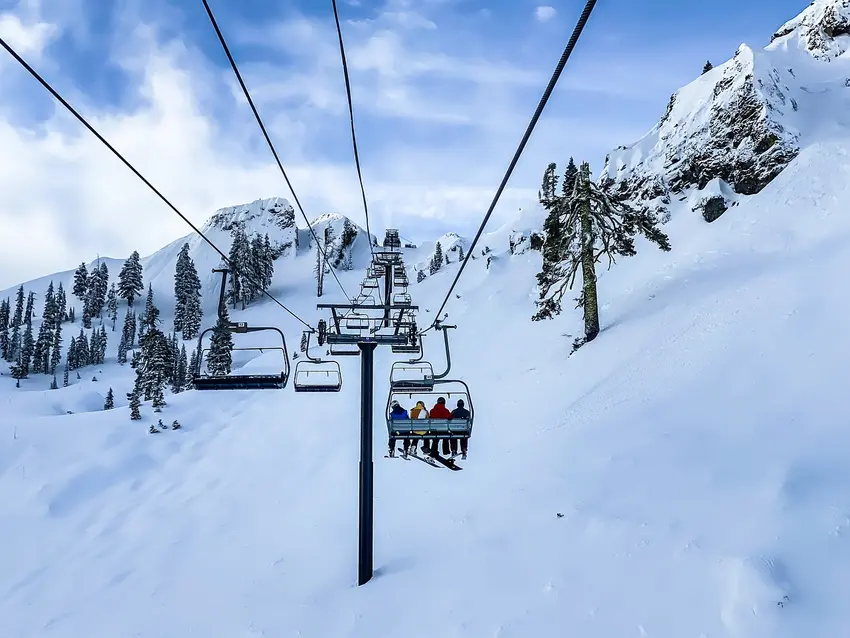
Skiing in Austria is set to become more expensive this winter, Austrian media reported. Prices for lift tickets, particularly in Tyrolean ski resorts, are expected to rise by an average of three to ten percent.
The increase follows a trend observed over the past five years, as lift ticket prices in Tyrol have surged by nearly 40 percent in some instances. The rising costs are primarily attributed to inflation and increased personnel expenses, placing a heavier financial burden on local skiers and tourists.
This season, the most expensive day ticket will be at the Arlberg mountain railways, in Tyrol, costing up to €78, a four percent increase from the previous year.
READ ALSO: What are the best ski resorts in the Austrian Alps to take lessons?
Popular destinations, such as Kitzbühel, Ischgl, and the Zillertal Arena, will also charge around €76 for their day passes. These prices represent significant hikes compared to 2019, furthering the concerns over affordable skiing in the region.
Increased personnel costs driving up prices
Reinhard Klier, a spokesperson for Tyrolean Cable Cars, explained the rise in lift ticket prices, highlighting that personnel costs are ski resorts' most significant expense.
“Staff costs are our biggest cost item, and we ultimately have to pass this on to the ticket price", Klier told ORF.
In response to rising prices, some Tyrolean ski resorts have begun implementing "dynamic pricing," which adjusts ticket costs based on demand and capacity.
While this approach can be helpful and result in lower prices for those with flexible schedules, it has drawn criticism from consumer protection organisations for potentially creating confusion and a lack of transparency in pricing structures.
Are locals paying more?
Locals are particularly affected by these price increases. This is because previously available local rates are no longer offered due to an EU regulation prohibiting discrimination based on residency.
READ ALSO: How to check if there’s snow on the slopes
For example, the prices for network tickets and the Freizeitticket Tirol have increased by around six percent this year, making skiing more costly for Tyroleans.
Tyrolean ski resorts are increasingly partnering with companies and clubs to offer discounts via membership or customer cards. "The situation has become quite complicated, which I don't think anyone wanted. It has become more complicated both for us and for the customer," said Klier.
Price increases are not limited to Tyrol, as many ski resorts across Austria are also adjusting their lift ticket prices this season.
For example, resorts in Vorarlberg and Salzburg have reported similar upward trends. Factors contributing to these increases include inflation, higher operational costs, and the need to maintain quality services amid growing demand for winter sports, Austrian media has reported.
What lies ahead for the ski season?
Despite the increased costs, many ski enthusiasts remain hopeful for a successful season.
The first slopes have already opened, with resorts preparing to welcome visitors as the winter sports season begins.
The situation gets trickier with ski seasons starting later and ending earlier due to rising temperatures caused by climate change. With shorter seasons, resorts are under pressure to make the most of their limited time to earn revenue, which often leads to even higher prices.
READ NEXT: Is it possible to have a cheap skiing holiday in Austria?
Comments