
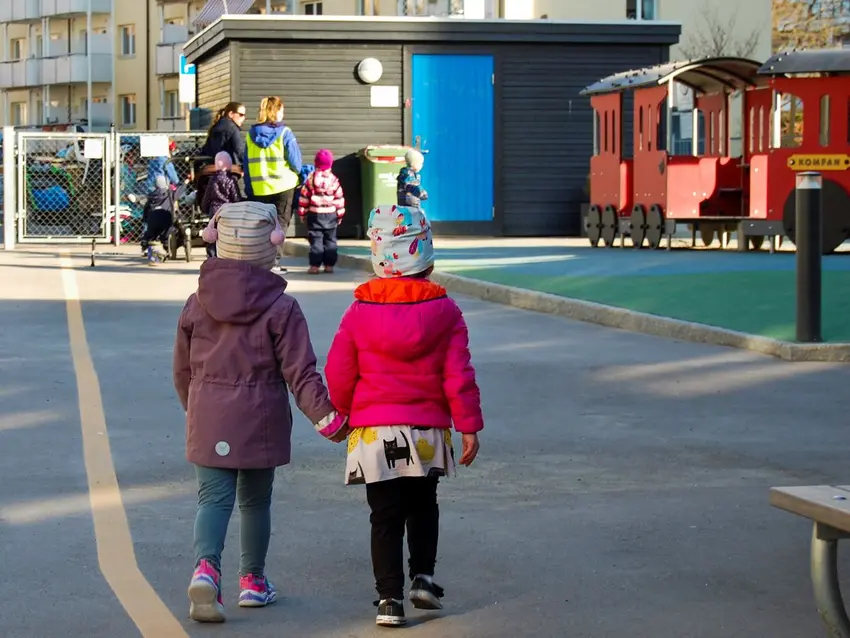
Kindergartens overwhelmed by influx of non-German speaking children
Kindergartens in Vienna are facing significant challenges due to a recent influx of children under the age of seven arriving through family reunification programs. These children, many of whom do not speak German as their first language, are adding pressure to an already strained system struggling with staff shortages and a high percentage of children requiring German language support.
According to Statistics Austria, nearly 59 percent of kindergarten children in Vienna had a non-German first language in 2022/23. While many children acquire age-appropriate German language skills during their kindergarten year, many still face challenges upon entering school.
Organisations like Startklar call for increased funding for language support measures in kindergartens and a greater focus on language-sensitive practices across the education sector. They also emphasise the importance of assessing children's proficiency in their first languages.
However, the use of external language teachers in kindergartens has been met with some criticism. Organisations like Educare argue that language support should be integrated into children's everyday lives rather than relying on separate programs.
Essential guide for travelling with allergies in Austria
Whether you have an allergy or travel with someone who does, dealing with unfamiliar foods and not knowing what you can eat can be a stressful experience. Hopefully, this guide will help you get by in Austria.
Nearly 500 Austrian towns face water scarcity risk by 2050
A new Greenpeace study warns that 471 municipalities, over half located in Lower Austria, are at high risk of acute water shortages by 2050 due to climate change. The study found these areas have insufficient groundwater to meet the needs of residents, industry, and agriculture during dry years. Greenpeace urges Agriculture Minister Norbert Totschnig to implement a comprehensive water protection plan, emphasising the need for measures like monitoring industrial water usage, promoting efficient water use, and developing regional water reduction programs.
Illegal migration plunges at Hungarian-Burgenland border
Interior Minister Gerhard Karner reported a dramatic decrease in illegal migration at the Hungarian-Burgenland border in the first half of 2024. Only 300 apprehensions were recorded compared to 19,300 in the same period in 2022, marking a significant step towards the government's "zero illegal migration" goal. Karner attributed this success to tightening border controls, regional cooperation, and collaboration with Serbia. The minister will release a detailed asylum report on Friday.
Toddler dies following swimming accident in backyard pool
A 20-month-old girl from St. Aegidi, Upper Austria, passed away after a swimming accident in an inflatable hot tub last week. Despite wearing a life jacket and the father being nearby, the child was found unresponsive in the water. Emergency responders resuscitated the girl and airlifted her to Kepler University Hospital in Linz, where she fought for her life in intensive care. The hospital confirmed her passing this morning. Water rescue organisations caution that children under two years old can experience a reflex when their heads go underwater, preventing them from lifting their heads back up, even with swimming aids.
If you have any questions about life in Austria, ideas for articles, or news tips for The Local, you can contact us at news@thelocal.at or leave a comment below.
Comments