

Austria’s rail network makes living outside Vienna a realistic option for many commuters. But the best town for you depends on where in Vienna you work, how often you need to travel in, and whether you care most about fast trains, lower housing costs, access to nature or a more urban feel.
The journey times below should be read as best-case station-to-station trips. Door-to-door commuting can take much longer depending on where you live and where your workplace is in Vienna.
Housing costs are worth checking separately before moving. Official 2024 data from Statistik Austria put the median apartment price at €4,941 per square metre in Vienna, compared with €2,941 in Lower Austria and €1,921 in Burgenland. Those are province-wide figures, though, and commuter towns close to Vienna can be much more expensive than their provincial average.
Baden bei Wien
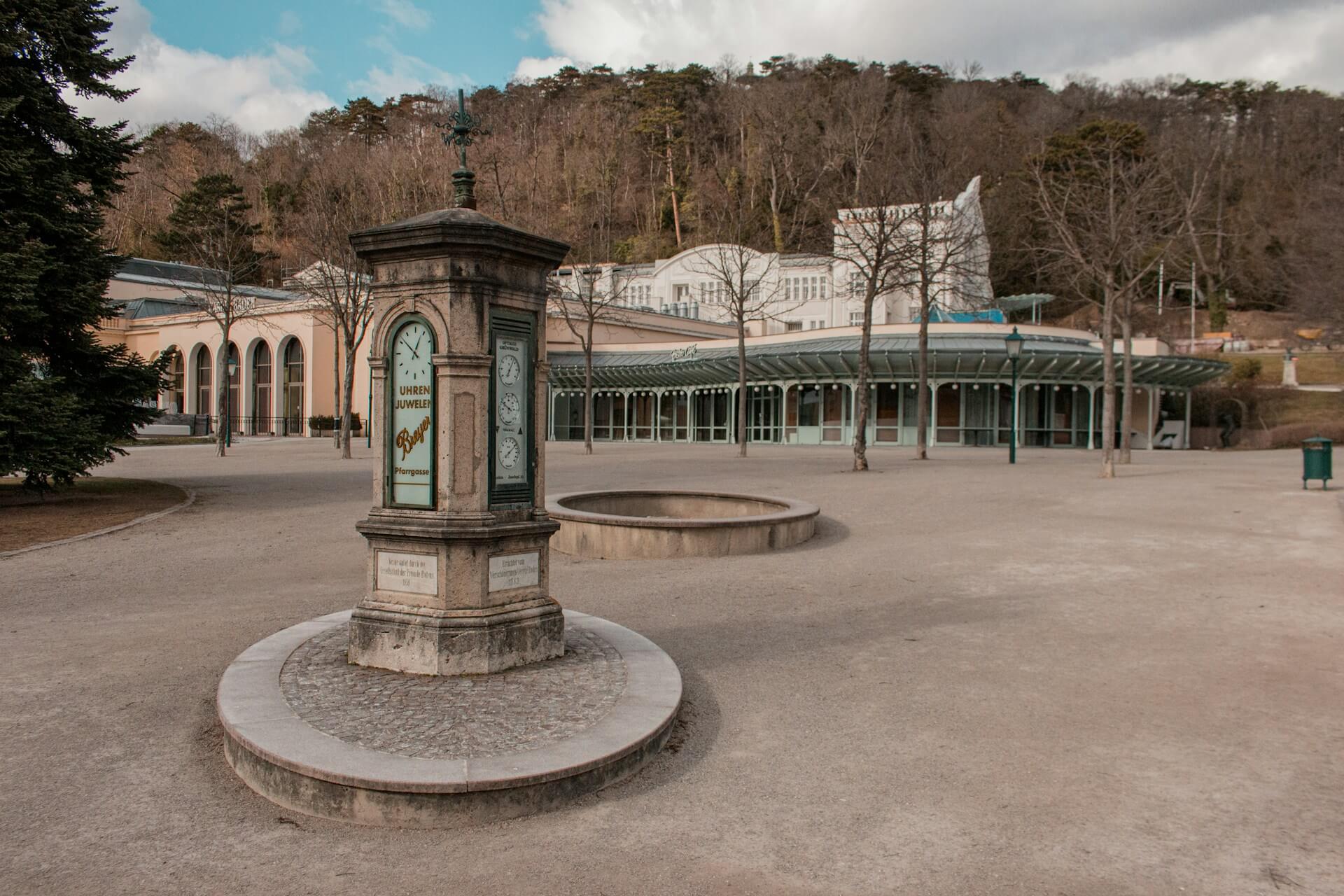
Baden bei Wien, a spa town in Lower Austria, is part of the transnational UNESCO World Heritage property the Great Spa Towns of Europe.
You can reach Baden from Vienna in about 30 minutes by train. If you drive, it will take you around 40 minutes.
As a place to live, Baden bei Wien offers a great mix of beautiful nature and culture. The town is located in the forested areas known as Vienna Woods where you can enjoy different hiking and biking trails just outside of town. There are also many forests to explore and wineries to visit.
Baden has a rich cultural heritage, and one of its highlights is The Kurpark, a beautiful park in centre of the town, with gardens, fountains, and historic buildings. It is also where the famous spa, Römertherme, is located. Baden also has a busy cultural calendar, with concerts, exhibitions and outdoor events throughout the year.
Unfortunately, property prices in Baden bei Wien are not cheap and the town has some of the most expensive real estate in Lower Austria. It is still cheaper to rent something in Baden than in Vienna though, as rent prices in the capital are 8.7 percent higher, according to Numbeo.
Korneuburg
Korneuburg is a historic town in Lower Austria, located on the banks of the Danube River.
From Wien Floridsdorf, S-Bahn and regional services reach Korneuburg in about 20 minutes, making it especially practical for people who work in the north of Vienna.
Korneuburg offers quiet living near beautiful nature and water. It is a popular alternative to the more stressful and crowded Vienna.
The town has many parks, and in the surrounding area, you will find great nature spots like the hill Bisamberg, where you can enjoy marked hiking and cycling trails.
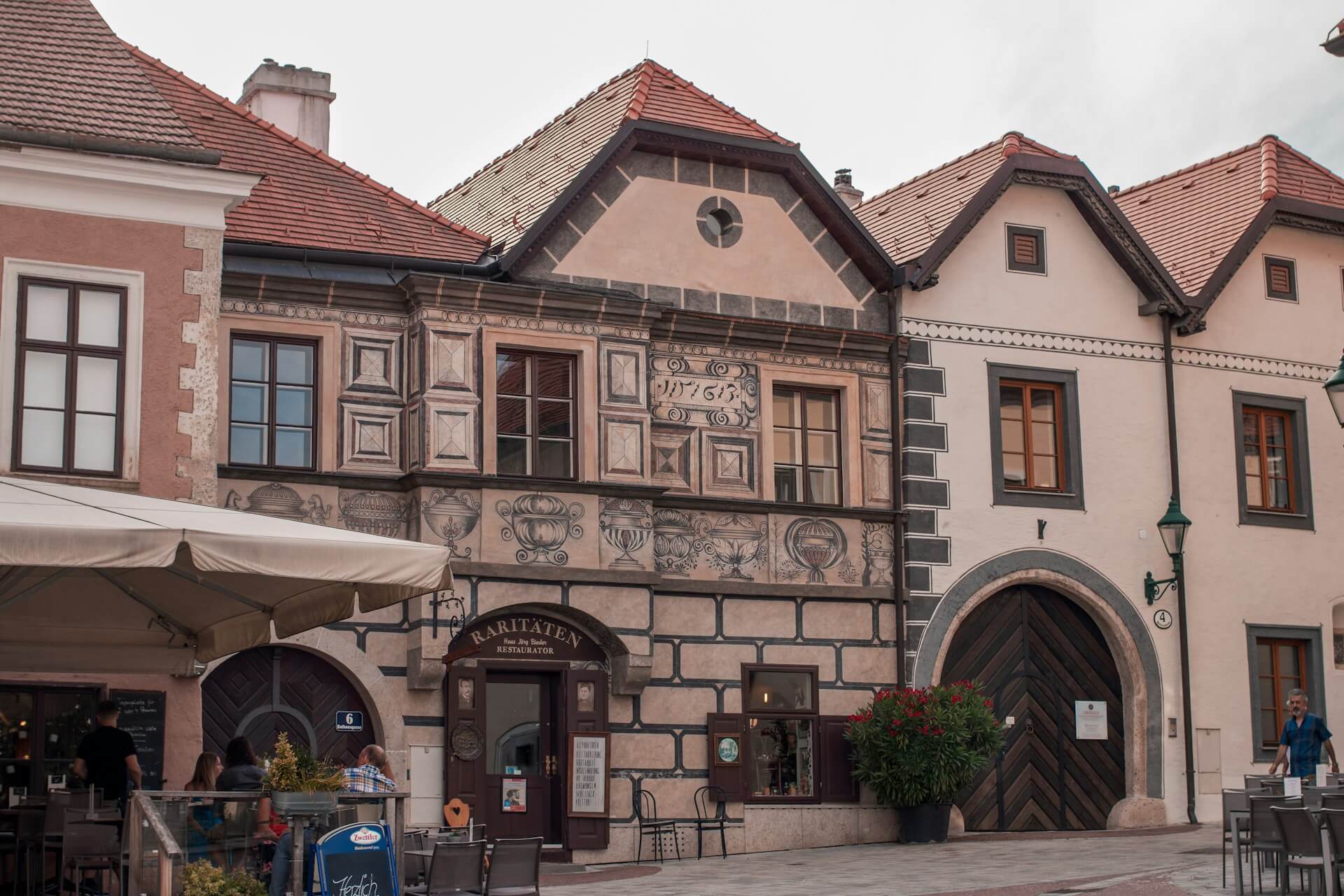
Korneuburg’s historic highlights include its medieval town centre, Gothic town hall, parish church, Pied Piper Fountain and the ruins of Austria’s oldest synagogue, built between 1306 and 1325.
READ ALSO: Train travel in Austria: The best day trips from Vienna
Mödling
Mödling, located around 14 kilometres south of Vienna in Lower Austria, is known for its closeness to nature and rich cultural heritage.
It only takes 15 minutes of train travel to reach Mödling from Vienna. If you travel by car, it will take you 30 minutes.
Mödling is known for its surrounding nature and offers many hiking, jogging, and mountain biking trails. It is also famous for having one of the region's best via ferratas (klettersteig) for beginner climbers, Mödlinger Klettersteig.
The town also has a rich cultural heritage. For example, Beethoven dedicated the music Mödlinger Tänze (Mödling Dances) to the town, and there is also a Beethoven museum where you can go and learn more about the famous composer.
Furthermore, Mödling is famous for The Mödling Wine Festival, which is held annually in the historic town centre. Here you can go to try local wines, culinary dishes, and listen to traditional music.
Neusiedl am See
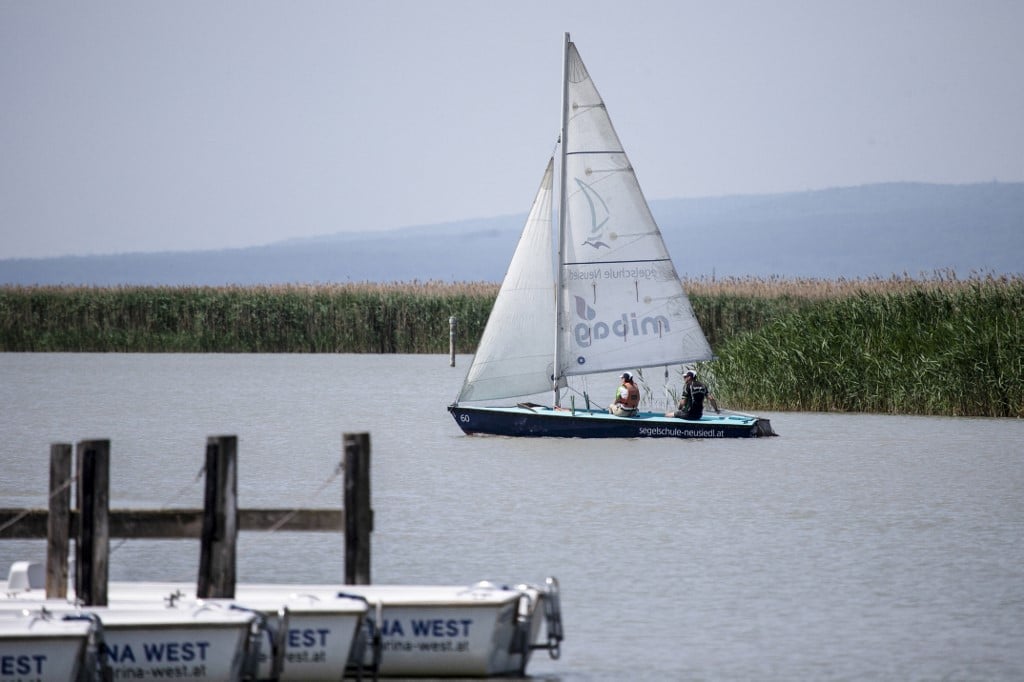
If you want to live near a big lake, settling down in Neusiedl am See in Burgenland might be a great idea.
This town is surrounded by Austria’s most famous wine regions, and it only takes you 40 minutes to travel there from Vienna by train, and a similar time by car.
The town is a popular summer and spring day trip destination for people living in Vienna who want to escape the city to spend some time at the lake. The town centre offers a mixture of modern and traditional cafes, restaurants and bars.
The lake is a great place for enjoying sports such as kite surfing, cycling, hiking, and swimming. Many people also visit the area for birdwatching since it is home to a diversity of birds.
Neusiedl am See sits on Austria’s largest lake and close to the Neusiedler See-Seewinkel National Park, making it especially attractive for swimming, sailing, cycling and birdwatching.
If you want to buy a house, the average price per square meter is €3.623.Prices for apartments are expected to be similar.
READ MORE: 6 great alternatives to Austria's overcrowded tourists hotspots
Klosterneuburg
Klosterneuburg, on the edge of the Vienna Woods in Lower Austria, had 28,379 main-residence inhabitants in September 2025, according to the town.
If you are coming from Vienna, you can reach Klosterneuburg in about 40 minutes by train, while driving takes around 30 minutes via the B14 and the B227.
Klosterneuburg is served by the S40 on the Franz-Josefs-Bahn and by buses from Vienna Heiligenstadt. If you are checking the commute in 2026, look at current ÖBB and VOR timetables before deciding, as works on the Franz-Josefs-Bahn are affecting some services.
The town is known for its historic Klosterneuburg Monastery that was built in the 12th century and is described by Wienerwald Tourismus as “one of the most beautiful and charming forest communities in the Vienna Woods”.
Klosterneuburg has a historical city centre where you can meet up with your friends, eat at one of the restaurants, do your groceries or maybe visit some of the museums to check out an exhibition.
Since the town is located in the Vienna Woods, nature is easy accessible and you can reach many hiking trails just by walking from the city centre.
View this post on Instagram
Wiener Neustadt
Wiener Neustadt is one of the strongest rail options on this list. ÖBB says a weekday REX93 service connects Wien Hbf and Wiener Neustadt in 30 minutes, while the city says the 2026 timetable offers 170 daily connections to Vienna.
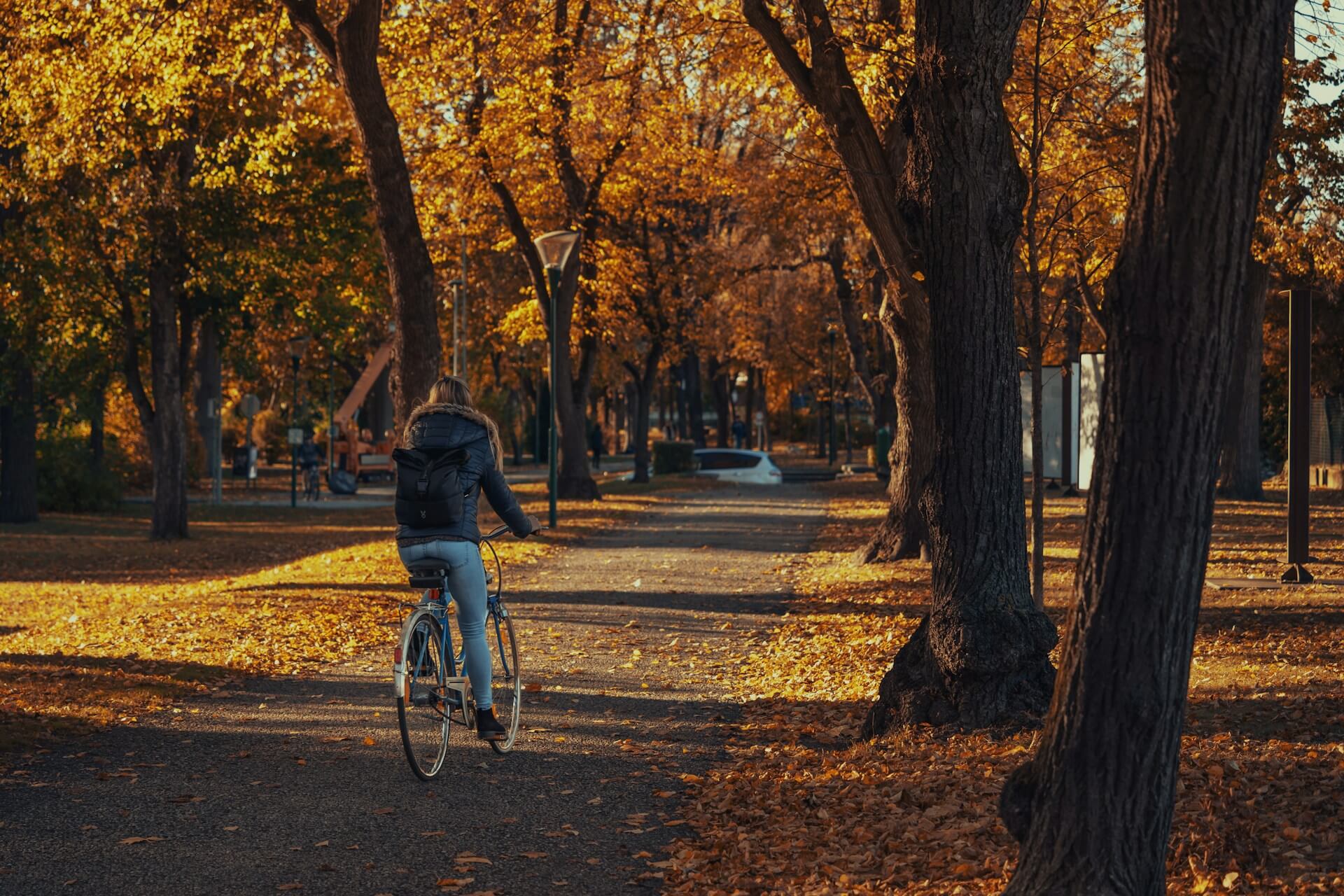
This city is also a great alternative to Vienna if you love nature since it is surrounded by it. Wiener Neustadt also has a strong cycling offer. The city lies on EuroVelo 9, the long-distance route linking the Baltic coast in Poland with the Adriatic in Croatia.
Schneeberg is also located nearby, which is the highest mountain in the area and a great place to go if you want to enjoy hiking, ski touring, and some great views.
The price for buying an apartment in the centre of Wiener Neustadt is around €3,500 per square meter. Rent prices are in general 37 percent lower than in Vienna, according to Numbeo.
St. Pölten
St. Pölten is the capital of Lower Austria and it is known for having both an entrepreneurial and an art scene.
St. Pölten has one of the fastest rail links on this list. The city describes itself as around 25 rail minutes from Vienna.
The old town includes St. Pölten Cathedral, Riemerplatz and the baroque Rathausplatz, while the Festspielhaus and wider cultural district give the city a stronger arts offer than many commuter towns.
St. Pölten also has plenty of local green space. The Traisen river runs through the city, the Viehofner Seen and Ratzersdorfer See offer recreation close to town, and the city has been developing urban hiking routes through its own green spaces.
The Local found one bedroom apartments to rent in the city for less than €600 per month.

READ NEXT: 8 exciting events taking place in Vienna this May
Do you have better options for commuter towns near Vienna that have not been included on this list? Let us know in the comments section below.
Comments