
How long do I need to have lived in Austria to apply for Austrian citizenship?
Generally, you will need to have lived legally and continuously in Austria for ten years before obtaining citizenship, including at least five years during which you were considered legally settled in the country.
There are some exceptions, however, that can reduce the required residence period to six years, provided the other citizenship requirements are met. These include:
Citizens of countries within the EU/EEA (European Economic Area)
Individuals born in Austria
People who have been married to, or in a registered partnership with, an Austrian citizen for at least five years and have lived in the same household for that period
People who can demonstrate German language skills at B2 level
People who meet certain requirements for sustained personal and professional integration, including qualifying voluntary work
Recognised refugees have a separate route to citizenship after ten years of lawful and uninterrupted residence, without the usual requirement for five years of settlement.
When can I start counting from?
For those from EU/EEA countries, this is fairly easy to determine.
After you registered with your local authority in Austria, you needed to obtain your 'Anmeldebescheinigung' (Registration Certificate) from the local migration authority. This demonstrated that you met the statutory requirements to remain in Austria, including being able to support yourself and hold comprehensive health insurance.
However, the date on your Anmeldebescheinigung is not necessarily the date from which your residence starts counting towards citizenship.
Austria's Administrative Court has ruled that what matters is when your lawful right of residence began, which may be earlier than the certificate's issue date. Applicants must demonstrate that they met the relevant residence requirements during the period they want counted.
For those coming from outside the EU/EEA this is slightly more complicated.
Non-EU/EEA citizens generally need a residence permit if they intend to stay in Austria for more than six months. The type of permit depends on their circumstances, such as employment, family reunification or studying. These permits are generally issued as cards.
Different permits come with different conditions, and not all allow permanent settlement.
For example, time spent in Austria on a student residence permit can count towards the total period of lawful residence required for citizenship, but it does not count towards the five years of settlement required under the standard ten-year route.
For citizenship purposes, what matters is when your lawful and uninterrupted residence in Austria began.
The validity date of your first residence permit can be a useful starting point, but other periods of lawful residence may also be relevant. Therefore, check your full residence history rather than relying solely on the date printed on your first permit.
If you apply to renew your residence permit before it expires, you can generally remain legally in Austria while the authorities process your application, even if your existing card expires in the meantime.
However, gaps in lawful residence or late renewal applications can affect your qualifying period.
Where do I apply forAustrian citizenship?
Applications for Austrian citizenship are handled by the citizenship department of the provincial government (Amt der Landesregierung) responsible for where you have your main residence.
In Vienna, this is the immigration and citizenship department MA 35. The provincial authorities process applications and make the final decision.
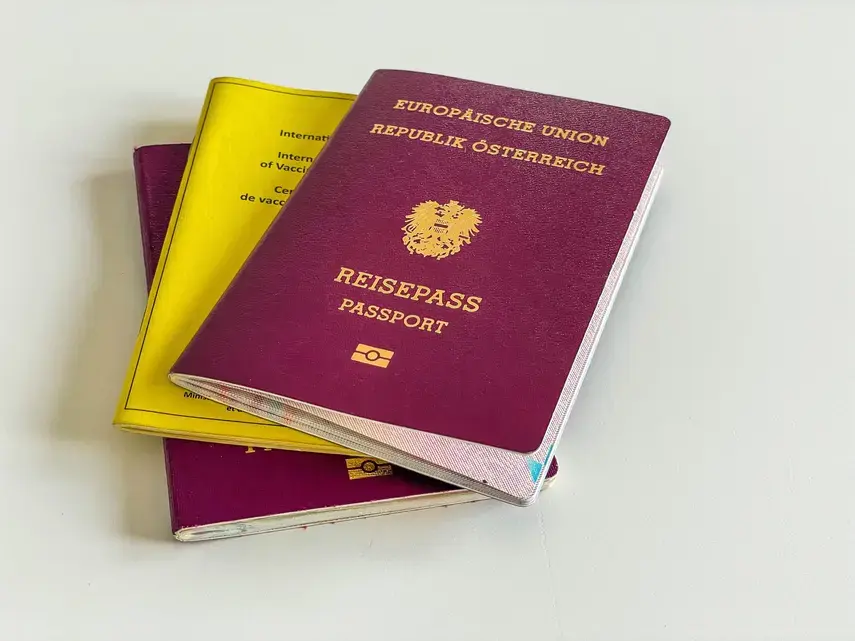
This can take time, but it’s worth it, Austrian citizenship and the passport it entitles you to are among the strongest in the world.
Read more about Austrian citizenship
With reporting by Michael Stuchbery.
Comments